Leadership
Meet the 2025 Acumen Angels Awardees
From climate innovation to stronger food systems, Acumen Angels awardees are building organizations designed to serve communities, build trust, and expand opportunity.
March 26, 2026.png)
Each year, Acumen Angels backs social innovators from across the Acumen Academy community who are building bold solutions to poverty. The 2025 Acumen Angels awardees reflect the breadth of that work, from climate innovations across Africa to new approaches to community leadership and financial inclusion. Together, these founders are tackling urgent challenges while creating pathways to greater opportunity and resilience for the communities they serve.
Since launching in 2018, Acumen Angels has awarded $5.9 million to 128 early-stage organizations globally. Together, these awardees have reached more than 27 million lives, created over 106,000 jobs, served more than 883,000 paying customers, and raised more than $54 million in follow-on capital.
Among them, 30 new awardees will receive a combined $1.2 million in funding this year to grow their organizations and deepen their impact. The 2025 cohort includes five Angels Climate Tech Africa awardees, supported in collaboration with the EY organization and ServiceNow, who are catalyzing climate tech innovation at scale.
Across the cohort, awardees are strengthening food systems, expanding access to education and justice, and building tools that help communities improve their livelihoods.
Agriculture
Amitkumar Naphade
Krushi Vikas Va Gramin Prashikshan Sanstha
India
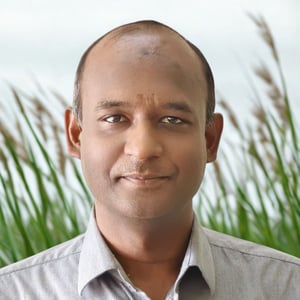
Krushi Vikas aims to create a sustainable livelihood model turning agricultural waste into animal feed. In India’s cotton-growing regions, farmers often burn cotton stalks because they are costly to remove, even as livestock owners struggle with fodder shortages. Through its Goat Feed Project, Krushi’s organization converts cotton, maize, and soy crop residues into digestible feed using ozone-based technology developed with research partners. Beyond feed production, Krushi supports farmers through market linkages, agricultural extension services, training, and inputs. To date, this work has supported more than 20,000 farmers across Maharashtra.
Use of funds: To upgrade processing equipment and storage infrastructure, doubling feed production capacity and expanding a demonstration model that can reach up to 1,000 farmers.
Anant Chaturvedi
Alternative Farmtech Pvt Ltd
India
Alternative Farmtech helps smallholder farmers transition to zero-emissions natural farming through climate-smart tools and market access. Many farmers in India rely on costly inputs and equipment designed for large farms. Alternative Farmtech provides solar-powered agricultural machinery alongside training in natural farming methods that restore soil health and reduce costs. The enterprise also connects farmers directly to consumers through traceable supply chains. To date, more than 10,000 farmers have adopted the model, increasing incomes while reducing environmental impact.
Use of funds: To pilot an Equipment-as-a-Service model that enables farmers to access tools through shared village-level service hubs.
Beyan Flomo Pewee
Sappimah Cassava Refining Company
Liberia

Sappimah Cassava Refining Company strengthens Liberia’s cassava value chain by converting raw cassava into higher-value food products. Smallholder farmers often lose income due to cassava’s short shelf life and limited local processing capacity. Sappimah addresses this challenge through a modern processing facility that purchases cassava directly from farmers and produces staple foods such as garri and cassava flour. The model increases farmer incomes while strengthening national food security. To date, the enterprise sources cassava from more than 200 farmers and supplies products to supermarkets across Liberia.
Use of funds: To expand export sales, launch new cassava products, and strengthen farmer supply networks.
Denish Ogwang
Fidena Agri Uganda Ltd
Uganda

Fidena Agri Uganda Ltd produces certified organic fertilizers and pesticides that help smallholder farmers improve crop yields while restoring soil health. In East Africa, fertilizer use remains extremely low, limiting productivity and food security. Fidena’s organic liquid fertilizer and pesticide offer affordable alternatives made from organic waste, allowing farmers to increase yields while improving soil water retention and climate resilience. The company also provides farmers with access to quality inputs and training in climate-smart agriculture. To date, Fidena has reached almost 7,000 smallholder farmers across Uganda.
Use of funds: To secure manufacturing licenses needed to scale production, unlock follow-on investment, and expand distribution to reach up to 50,000 farmers.
Diego Gomez
Fundación Soy Conservación
Colombia
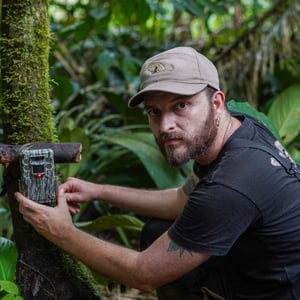
Fundación Soy Conservación helps farmers protect native forests while improving rural livelihoods. Deforestation in Colombia continues to threaten biodiversity and the economic stability of farming communities. The organization’s conservation model combines farm planning, certification, and technology-enabled monitoring that verifies environmental outcomes and strengthens market access for farmers. Through conservation agreements and improved land management practices, farmers can protect forests while increasing income from agricultural production. The initiative has already placed dozens of hectares of forest under conservation agreements.
Use of funds: To upgrade monitoring technology and expand conservation services to additional farmers and corporate partners.
Divish Gupta
Swadesi Way
India
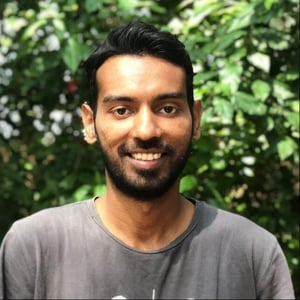
Swadesi Way is building a farmer-first organic food movement that connects smallholder collectives directly with consumers. Across India, many Farmer-Producer Organizations struggle to remain financially sustainable due to limited and unpredictable demand. Swadesi Way addresses this challenge by creating a direct-to-consumer marketplace that provides stable demand while ensuring transparent pricing and fair revenue distribution. Through its model, a majority of revenue flows directly to farmer collectives while consumers gain access to traceable organic products. The platform supports more than 11 farmer collectives across 9 states, reaching over 11,000 farmers to date.
Use of funds: To expand into fresh produce and ready-to-eat categories while strengthening logistics and customer growth.
Ehime Eigbe
Sweetkiwi
Nigeria

Sweetkiwi produces premium cultured dairy products while building a more inclusive and locally-sourced dairy industry in Nigeria. The country imports more than 70% of its dairy, even as millions of smallholder pastoralists remain excluded from the value chain. Through its Kinship Model, Sweetkiwi partners with more than 5,000 pastoralists, 60% of them women, providing fair pricing, training, and reliable market access. By sourcing milk locally and producing value-added dairy products, the company is helping strengthen Nigeria’s dairy ecosystem while improving livelihoods and food security.
Use of funds: To enable transition from small-batch to large-scale dairy factory, scaling local dairy production to meet growing demand.
Nyifamu Manzo
Farmatrix Agro Allied and Technology Company Ltd
Nigeria
.jpeg?width=287&height=287&name=Nyifamu%20Manzo%20(1).jpeg)
Farmatrix is building a technology-enabled supply chain that connects smallholder farmers to reliable markets, storage, and climate-smart support. Across Nigeria, many farmers lose income due to limited storage, weak market access, and high post-harvest losses. Farmatrix addresses this gap through a digital marketplace and community warehouse network that provides storage, training, and connections to bulk buyers. The model helps farmers reduce losses and improve earnings while strengthening agricultural trade. To date, Farmatrix has onboarded more than 8,000 smallholder farmers and aggregators.
Use of funds: To expand community warehouses and upgrade its mobile marketplace platform with the goal of increasing trade volumes and onboarding additional farmers.
Prerna Agarwal
Samakhya
India
.png?width=300&height=323&name=image%20(33).png)
Samakhya works with pastoral and artisanal communities to transform indigenous wool into low-carbon building materials. Across India’s desert regions, nomadic herders face shrinking grazing lands and limited market opportunities for their wool. Samakhya connects these communities to new markets by producing biodegradable insulation and textile materials for the construction sector. These natural fibre products offer climate-friendly alternatives to conventional materials while strengthening rural livelihoods. The enterprise works with over 500 herders and 350 women artisans across India’s desert regions.
Use of funds: To establish a decentralized fibre processing center that improves wool quality and expands income opportunities for pastoral communities.
Rejoice Amarachi Usim
Simkay Foods Limited
Nigeria

Simkay Foods helps smallholder farmers increase productivity while reducing post-harvest losses in vegetable supply chains. Across Nigeria, large portions of tomato harvests are lost due to weak storage, processing, and distribution systems. Simkay combines precision farming tools, market guarantees, and solar-powered drying technology to convert surplus produce into shelf-stable food products. This approach reduces waste while creating new income opportunities for farmers. The enterprise has supported 60,000 farmers while expanding distribution networks across multiple Nigerian states.
Use of funds: To deploy solar-powered drones for precision farming and solar dryers that expand farmer participation.
Richard Obuku
River Poultry Farms
Uganda

River Poultry Farms integrates AI tools, veterinary care, and market access to help smallholder poultry farmers reduce losses and improve productivity. Across rural Uganda, preventable diseases and limited veterinary access lead to high mortality rates that undermine farmer livelihoods. River Poultry’s system connects farmers to trained para-veterinarians and digital disease-diagnosis tools while linking them to verified buyers. The platform creates a more resilient poultry ecosystem for rural producers. To date, the enterprise has supported nearly 4,000 farmers and conducted more than 90,000 veterinary visits across Northern Uganda.
Use of funds: To scale their AI veterinary platform, train additional para-veterinarians, and expand services to thousands of farmers.
Willie Ng
Global Cerah
Malaysia

Global Cerah transforms agricultural waste into sustainable protein and organic fertilizer through a circular manufacturing system. Across Southeast Asia, large volumes of organic waste are discarded or burned, creating environmental and economic challenges. Global Cerah’s bioconversion technology converts this waste into high-quality feed and soil inputs that support smallholder farmers while reducing emissions. The model strengthens local agricultural systems while promoting a regenerative circular economy. To date, the enterprise has diverted more than 50,000 tons of agricultural waste and supported over 10,000 farmers.
Use of funds: To expand processing capacity, strengthen technology systems, and grow export markets across Southeast Asia.
Education
Krupa Patel
SilverLeaf Academy
Tanzania
.png?width=300&height=332&name=image%20(32).png)
SilverLeaf Academy is strengthening Tanzania’s education system by developing a new pipeline of high-quality teachers. Many government school teachers lack ongoing training and professional development, contributing to low learning outcomes for students. SilverLeaf operates a network of affordable schools alongside a Talent Academy that trains educators through practical residencies and technology-enabled learning. The program prepares teachers with modern pedagogy and classroom leadership skills. SilverLeaf Academy currently serves 1,400 students and teachers, while its training initiatives are helping address critical teacher shortages across the country.
Use of funds: To develop and validate an AI-supported teacher training platform that can scale educator development nationwide.
Marcela Salinas Murillo
La Teacher
Colombia

La Teacher is expanding access to quality education by turning WhatsApp into a learning platform for underserved communities. Many learners in Latin America face barriers to traditional online education, including limited internet access, low digital skills, and lack of computers. La Teacher enables organizations to deliver courses directly through WhatsApp, transforming existing content into interactive, conversational learning experiences. The platform helps institutions design, deploy, and monitor training programs while reaching learners in low-connectivity environments. To date, La Teacher has reached more than 22,000 learners across 30 countries.
Use of funds: To strengthen product development, expand sales and partnerships, and position the platform for its next stage of scalable growth.
Energy
Celeste Tchetgen Vogel
eWAKA Mobility
Kenya

eWAKA Mobility is building Africa’s trained and managed electric mobility workforce through an integrated e-mobility platform. Across East Africa, unreliable last-mile logistics and high transport costs limit opportunities for micro-entrepreneurs. eWAKA addresses this challenge with locally assembled electric cargo bikes, rider training, financing, and a fleet-management platform that connects riders to vendors. The model creates green jobs while reducing emissions and improving delivery reliability. To date, more than 1,000 riders have joined the platform, increasing incomes while supporting thousands of clean deliveries across the region.
Use of funds: To expand the Rider Training Center to improve rider onboarding, reduce loan defaults, and unlock additional financing for low-income riders.
Justine Abuga
Ecobora
Kenya

Ecobora equips rural schools with solar-powered cookstoves that replace firewood while enabling schools to provide nutritious meals for students. In Kenya, many schools spend large portions of their budgets on cooking fuel, placing additional financial burdens on families. Ecobora’s solar systems eliminate firewood costs while redirecting energy toward classrooms and digital learning infrastructure. The model reduces emissions, improves nutrition, and creates local employment opportunities. To date, Ecobora’s technology has served approximately 170,000 students across more than 170 rural schools.
Use of funds: To integrate smart meters and monitoring systems that enable schools to generate carbon credits and finance their cookstoves.
Financial Services
Geoffrey Omoding
Patapia
Uganda

Patapia provides digital microfinance and clean energy financing designed specifically for refugee women entrepreneurs. In Uganda’s refugee settlements, limited access to finance and reliable energy prevents many women from building stable livelihoods. Patapia combines entrepreneurship training, digital microloans, and solar financing to support women as they launch and grow businesses. To date, the organization has disbursed more than 1,600 loans, helping refugee entrepreneurs grow their businesses and improve household income.
Use of funds: To expand operations across additional refugee settlements and strengthen its digital lending and solar financing platform.
Kieu Oanh Pham
CSIP
Vietnam

Through its Blue Swallows Impact Fund, CSIP mobilizes patient capital for early-stage social enterprises in Vietnam. Many impact-driven ventures struggle to access funding due to limited domestic philanthropic investment and underdeveloped financing mechanisms. Created by CSIP, the fund provides flexible capital alongside training and ecosystem support to help social enterprises grow sustainably. The initiative also works to build a new culture of local impact investing. CSIP has supported more than 300 social enterprises, collectively creating more than 30,000 jobs.
Use of funds: To establish operational infrastructure and mobilize Vietnam’s first locally funded patient-capital investment vehicle.
Piya Bahadur
MeraBills
India
.png?width=300&height=300&name=image%20(37).png)
MeraBills provides digital tools that help women-run microenterprises manage finances and grow their businesses. Millions of women entrepreneurs across rural India operate informal businesses without access to bookkeeping tools or credit. MeraBills offers a simple mobile application that enables women to record transactions, build financial histories, and connect to training and financial services. Delivered through trusted community partners, the platform helps entrepreneurs strengthen business performance. To date, more than 65,000 women entrepreneurs across India have used the platform.
Use of funds: To build AI-powered onboarding and voice guidance that helps first-time smartphone users adopt the platform.
Goods and Services
Daniel Rodriguez
Amazóniko
Colombia

Amazóniko is building a technology platform that connects households, companies, and waste pickers to create a more transparent and inclusive recycling system in Colombia. The country recovers only a small share of the waste it generates each year, while many recyclers remain excluded from formal value chains. Amazóniko’s platform coordinates waste collection, routing, and traceability, linking waste pickers directly with households. The model improves incomes and working conditions for recyclers while helping companies track their environmental impact. To date, the platform has engaged more than 22,000 users across the recycling ecosystem.
Use of funds: To develop a mobile app for waste collectors that will help expand participation, increase material recovery, and strengthen income stability.
Derrick Kofi Sarfo
DercolBags Packaging Limited
Ghana

DercolBags develops sustainable packaging solutions that help businesses replace single-use plastics with recycled, eco-friendly alternatives. Across Africa, most packaging still relies on plastic imports, creating both environmental harm and high costs for local businesses. DercolBags produces affordable packaging locally while integrating waste recovery and recycling into its supply chain. The model reduces plastic waste while creating income opportunities within recycling networks. To date, the company has served more than 520 businesses across two countries while helping divert significant volumes of plastic waste from landfills.
Use of funds: To build their WatPak digital platform that connects waste collectors, recyclers, and businesses within a circular packaging ecosystem.
Miriam Wachira
Justice Nest
Kenya

Justice Nest expands access to justice by training incarcerated people and prison officers as paralegals. Across Kenya, many detainees remain in prison for years without legal representation due to limited legal aid capacity. Justice Nest addresses this challenge by establishing prison-based legal aid offices where trained paralegals help individuals navigate court processes and documentation. This model accelerates case resolution while reducing prison overcrowding. To date, the organization’s programs have supported nearly 1,000 incarcerated individuals and helped secure more than 179 releases.
Use of funds: To expand prison paralegal programs and build digital systems that track legal cases and support reintegration services.
Shashank Kalra
Youth Alliance
India
Youth Alliance develops leaders working on social change through immersive learning journeys and long-term community engagement. Participants engage with communities, reflect on complex social challenges, and build cross-sector networks that support their work over time. The organization fosters leadership grounded in collaboration, awareness, and systems thinking. To date, Youth Alliance has supported more than 950 alumni across India.
Use of funds: To strengthen program design, deepen leadership development experiences, and document alumni impact.
Tabish Bilal
Project Second Chance
India

Project Second Chance works to transform India’s prison system by empowering people with lived experience of incarceration to lead reform. Many individuals awaiting trial remain in detention for extended periods due to limited access to legal aid and poor case coordination. The organization’s digital platform improves legal aid workflows by enabling lawyers, families, and prison staff to track case progress and resolve delays. This system increases transparency while helping accelerate justice processes. Project Second Chance has developed multiple legal innovations that have reached more than 13,000 incarcerated individuals.
Use of funds: To strengthen their legal aid platform and expand services for undertrial prisoners and their families.
Health
Swapnil Gawande
Deesha Education Foundation
India

Deesha Education Foundation is building a national digital platform to improve access to corneal transplants in India. Today, the country’s eye donation system is fragmented and inefficient, leaving many donated tissues unused while patients remain on waiting lists. Deesha’s digital eye-banking platform connects eye banks, retrieval centers, and transplant hospitals through real-time data and transparent allocation systems. The platform increases tissue utilization while improving equity and efficiency. Deesha’s broader eye-care initiatives have already enabled more than 12,000 corneal transplants.
Use of funds: To expand the national eye-banking platform and onboard additional hospitals and eye banks.
Tawhida Shiropa
Moner Bondhu
Bangladesh

Moner Bondhu expands access to mental health services through a technology-enabled care platform designed for underserved communities. Bangladesh faces a severe shortage of mental health professionals, leaving millions without access to support. Moner Bondhu combines digital screening tools, AI-supported triage, and counseling services to deliver affordable care at scale. The organization partners with companies, schools, and institutions to reach individuals who might otherwise lack support. To date, Moner Bondhu has delivered more than 850,000 counseling sessions and served over 400,000 people across Bangladesh.
Use of funds: To scale its microinsurance model and expand access to affordable mental health care.
Infrastructure
Mohammad Aatish Khan
NatureDots
India
NatureDots provides digital water intelligence tools that help freshwater fish farmers manage risk and improve productivity. Climate variability and poor water monitoring frequently cause fish stock losses for smallholder farmers. NatureDots’ digital twin technology enables farmers to monitor pond conditions and receive early warnings through a mobile application. The system reduces costs while improving aquaculture outcomes. To date, the platform has supported more than 9,000 fish farmers across multiple countries.
Use of funds: To expand farmer training and deploy its aquaculture risk-management tools across climate-vulnerable regions in northeast and central India.
Richard Kennedy
Cornerstone Place
United Kingdom
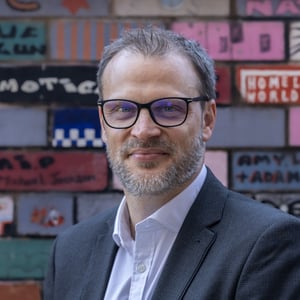
Cornerstone Place develops impact-first social housing by transforming overlooked small sites into affordable homes. Across the United Kingdom, many small development sites remain unused because traditional developers cannot profitably build on them. Cornerstone Place partners with local authorities and community organizations to convert these sites into net-zero housing for people experiencing homelessness or housing insecurity. The organization operates a fee-based development model that prioritizes social impact over profit. To date, Cornerstone Place has delivered 22 homes with dozens more currently under development.
Use of funds: To build technology tools that automate site feasibility analysis and accelerate housing development.
Suhani Jalota
Locara
India

Locara develops an evaluation infrastructure that helps ensure artificial intelligence systems work across languages and cultural contexts. Many AI systems are trained primarily on data from Western markets, leading to bias and poor performance for multilingual users. Locara builds large-scale datasets and evaluation tools that improve the reliability of AI systems globally. The platform also creates employment opportunities for women as digital evaluators. To date, more than 7,500 women have contributed to building culturally grounded datasets that help improve AI accuracy.
Use of funds: To expand multilingual datasets, train additional women evaluators, and build enterprise-facing evaluation tools.
Workforce Development
Jude Abaga
TASCK Creative Company
Nigeria

TASCK Creative Company is building digital infrastructure to connect Africa’s growing creative workforce with verified opportunities for training, collaboration, and paid work. Across the continent, millions of young creatives remain in the informal economy without access to stable income or professional networks. TASCK’s AI-powered platform links creatives to projects, digital tools, and reliable payment systems, while its Community Hubs provide spaces for training and production. Since launching in 2020, the company has built a community of more than 25,000 creatives and facilitated over $1.5 million in payments.
Use of funds: To expand TASCK’s technology stack, enabling automation of contracting, project management, and payments, leading to faster job matching and more reliable income for creatives.

-1.png)