Redefine Success
The future starts young: from chance to systems change
How we move beyond luck to build pathways that consistently create opportunity for young people
March 27, 2026![UK AAA - Blog Image - 2000 x 950px [AA Website] (2)](https://blog.acumenacademy.org/hubfs/UK%20AAA%20-%20Blog%20Image%20-%202000%20x%20950px%20%5BAA%20Website%5D%20(2).png)
How do we, as a society, move away from serendipity or luck and start embedding opportunity at a systemic level? This was the headline question posed during ‘The future starts young: creative pathways to opportunity,’ a session hosted by UK Acumen Academy at Anthropy 2026.
Party hats were worn, perspectives were shifted, and a provocative sign-off, “what would it look like for you to adult out loud?” captured the spirit of a panel that brought together four voices committed to expanding opportunity for young people across the UK: Chloe Lidbetter, Policy & Fundraising Lead at Peeple (and an Anthropy Emerging Leader); Duro Oye, Founder & CEO of 2020 Levels (2020 UK Acumen Fellow); Faith Johnson, CEO of Caramel Rock (2024 UK Acumen Fellow); and Jessica Agboola, Director of KINSIS. From supporting parents with their child’s development to connecting underrepresented talent to career opportunities and striving for equitable educational outcomes, the panellists brought a wide range of experience across the ecosystem shaping young people’s futures.
But the session wasn’t just about sharing perspectives. It was about understanding the system. This was an opportunity to step out of the echo chamber and examine the broad forces shaping outcomes for young people in the UK. And that’s where the party hats came in.
Each panellist, along with a handful of audience members, was assigned a role to “wear”: social entrepreneur, government representative, corporate leader, and young person. From here, a more nuanced conversation emerged about the tensions—and the potential—each actor holds in shaping pathways for young people.

Where the system falls short
At the corporate level, running a business often means prioritizing profit and efficiency. Targets tied to productivity leave little room for risk, experimentation, or the time it takes to develop talent. As a result, many organizations hesitate to invest in the infrastructure young people need to thrive.
Within government, good intentions are often constrained by budgets and bureaucracy. Limited resources and complex systems can make meaningful change and innovation difficult to implement at pace.
Social enterprises face a different tension. While driven by purpose, they can struggle to attract young people who prioritize financial stability in an increasingly uncertain world.
And for young people themselves? Too often, they don’t see themselves reflected in the spaces where opportunities exist. Pathways feel hidden, unclear, or not designed for them. This is not a lack of ambition, but rather a lack of access and guidance.
What becomes possible when systems align
If opportunity is designed—not left to chance—each part of the system has a role to play. Each actor is uniquely positioned to unlock opportunities for young people.
Corporates can unlock new growth by investing in early talent, bringing fresh ideas, innovation, and access to new markets. Government holds the power to convene, breaking down silos and facilitating space for collaboration across sectors. Those in the impact sector can offer both access and purpose, connecting young people to meaningful work while building on the trust they already hold within their communities.
When these actors begin to align, opportunity becomes more visible, and more reachable. With stronger connections between employers, education providers, and community organizations, young people are better able to recognize their own skills, and opportunities are far more likely to meet the right person at the right time.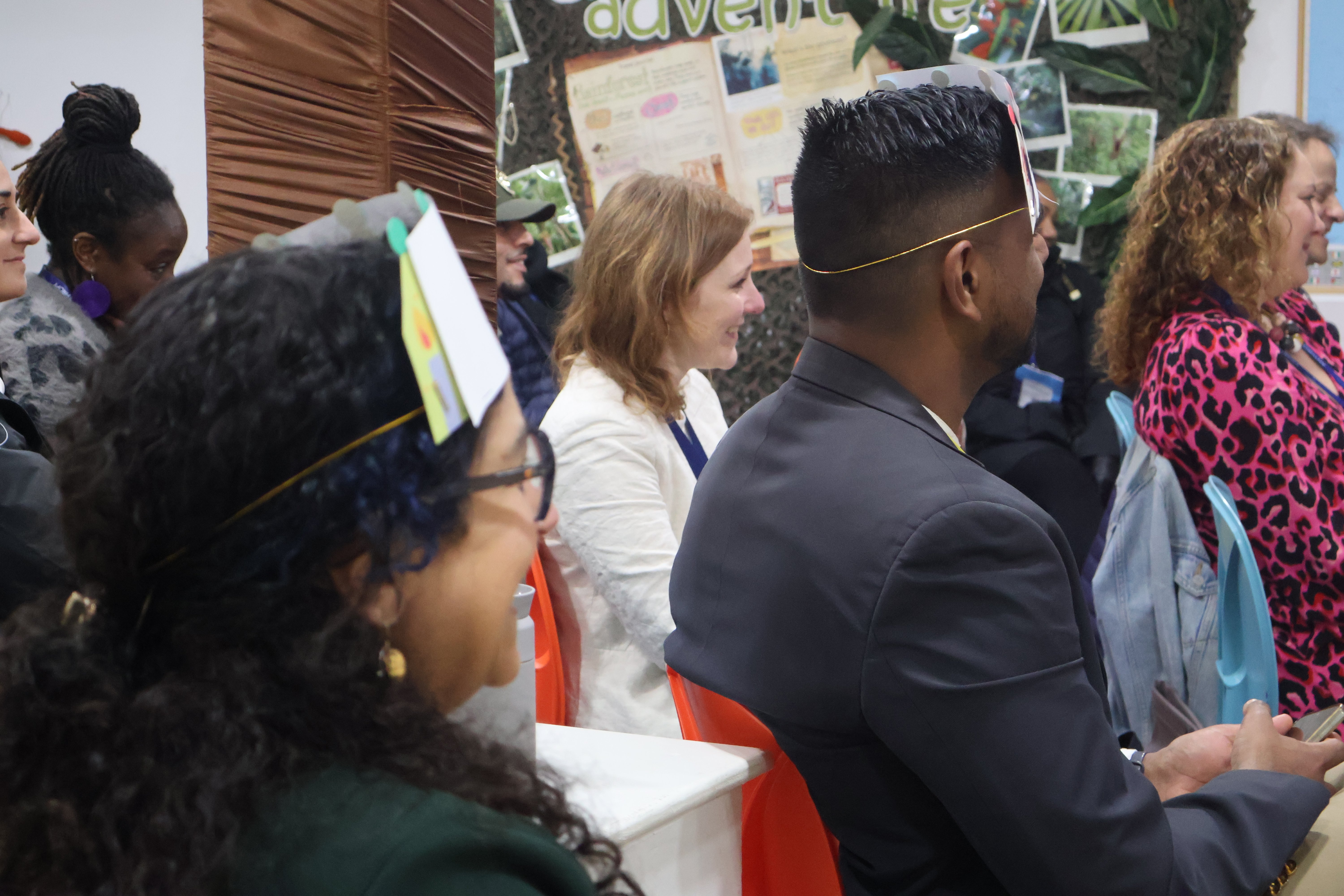
What we can build on
While there is still a way to go in creating a truly level playing field, there are real signs of progress.
Across the corporate sector, more organizations are shifting toward hiring for potential, not just experience. These organizations are signaling a growing commitment to long-term pathways rather than one-off programs. Larger organizations, in particular, have the resources to offer rotational roles, allowing young people to explore where their skills and interests are best matched.
In government and civil society, there is an increasing openness to young voices, from a local community level through to Whitehall and national decision-making spaces. The door is open, but it still needs to be easier to walk through.
Social enterprise, by design, continues to bridge the gaps between public and private sectors, balancing purpose with financial sustainability, and offering a compelling pathway for purpose-driven youth.
What we can do now
Systems change doesn’t only happen at scale. It starts by leaning into simple truths and taking everyday actions.
In a world trying to push through big, bold, radical ideas, our panel turned to something simpler: the things we already know matter, but don’t always practice. When considering the future of our young people, our panellists encouraged:
-
Giving time and skills to mentor
-
Sharing knowledge and networks generously
-
Actively opening doors, rather than assuming others will find them
-
Practicing “adulting out loud” by being transparent about mistakes and challenges, so that young people can see what growth really looks like.
Without intentional action, even on a small scale, we risk reinforcing a system and raising a generation whose talent is overlooked and whose access to opportunity remains largely closed.
The alternative is within reach. A future where pathways are visible, supported, and designed with young people in mind.
The invitation is simple: reflect on the role you play within the system and consider how you can contribute to a better future for young people. Take one step to make opportunity less about luck, and more about design..
This piece is part of our Thriving Futures series, spotlighting UK Fellows who are breaking down educational disparities so that every child and young person can access the skills, role models, and opportunities they need to shape their own future. Learn more about other UK Acumen Fellows working to ensure no child our young person is left behind here.

.png)